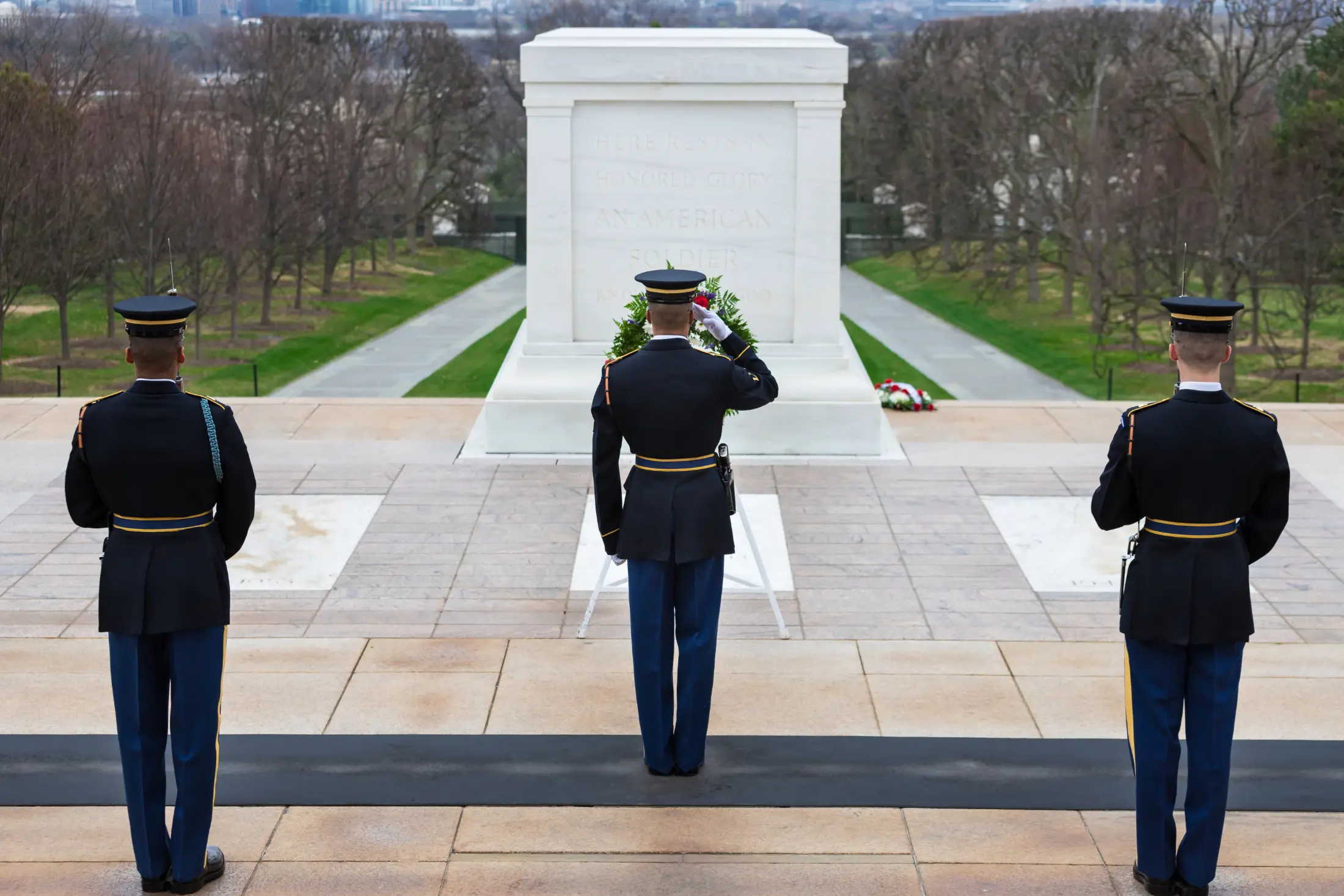
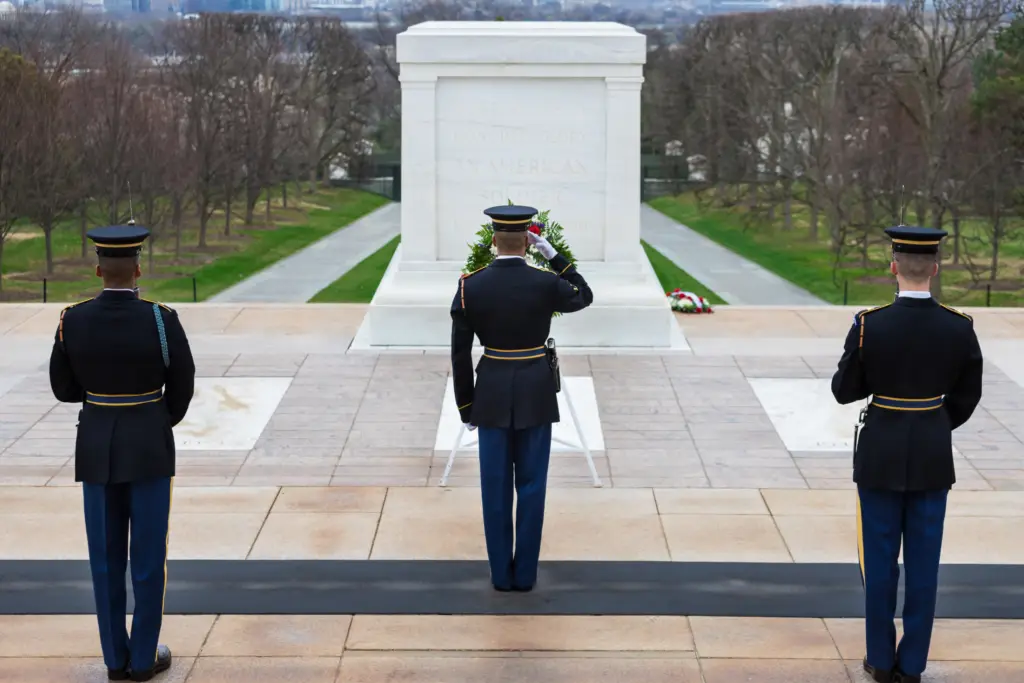
For many veteran families in Hatboro, Horsham, Warminster, Willow Grove, and nearby Montgomery County communities, Washington Crossing National Cemetery becomes the natural choice.
It is close enough to feel local, dignified enough to feel fitting, and familiar to families who have seen folded flags, service records, medals, and old uniforms kept carefully in drawers and cabinets. For many families, it is where service and home meet.
Still, the logistics surprise people.
A burial at Washington Crossing National Cemetery does not usually work like a traditional graveside service at a private cemetery. Families should know this before they plan the day. Services are scheduled on weekdays. They are handled in set time windows. The service takes place at a committal shelter, not at the open grave. After the committal service, cemetery staff complete the burial.
That matters because it changes how a family plans the service, travel, timing, flowers, military honors, and the gathering afterward.
Knowing what to expect helps the day feel less rushed and more respectful.
Why Families Choose Washington Crossing
Washington Crossing National Cemetery serves veterans and eligible family members throughout this region. For local families, it often feels like the right balance of honor, access, and tradition.
Families choose it because a veteran earned the right to be buried in a national cemetery. They choose it because spouses may be eligible too. They choose it because military honors matter. They choose it because the setting feels ordered, peaceful, and deeply connected to service.
The cemetery is in Newtown, close enough for many local families to travel from Hatboro, Horsham, Warminster, Willow Grove, Warrington, Southampton, Abington, and nearby communities without turning the day into a long trip.
The VA’s Washington Crossing National Cemetery information for families explains the cemetery’s location, visitation hours, eligibility, scheduling guidance, floral rules, and available burial space for both casketed and cremated remains.
That official cemetery page should be read before the family assumes how the day will work.
The Biggest Surprise: It Is Not a Graveside Service
This is the point families need most.
At a VA national cemetery, the committal service is held at a committal shelter, away from the actual gravesite. The family does not usually stand around the open grave while the casket or urn is lowered. Cemetery staff handle the final burial after the service.
That can feel unexpected if the family has attended private cemetery burials where everyone gathers at the grave.
The committal shelter is still a meaningful place. It gives the family a covered, designated location for prayers, final words, military honors, and the formal farewell. It also keeps services moving safely and respectfully across a cemetery that may have several burials scheduled on the same day.
The practical result is simple.
If your family wants longer remarks, a full religious service, music, stories, or extended time together, plan those moments before arriving at the cemetery.
Weekday Scheduling Changes the Day
National cemetery services are commonly scheduled on weekdays, excluding federal holidays.
That affects who can attend. Adult children may need to take time off work. Grandchildren may have school. Out-of-town relatives may need travel flexibility. Clergy, military honors, and funeral home vehicles need to be coordinated around the assigned cemetery time.
Families should avoid assuming that a Saturday burial will be available.
There are special exceptions in limited circumstances, but most families should plan for a weekday committal. That means the service schedule may be built around the cemetery’s assigned time, not the family’s ideal time.
This is why the funeral home’s coordination matters. The cemetery time affects the funeral home service, church service, travel route, procession, military honors, and luncheon afterward.
The Half-Hour Window
Families often expect more time at the cemetery than they actually have.
VA committal services are generally brief. They are designed to include the final committal prayer or remarks and military honors within a limited time. In practice, families should expect the cemetery portion to feel structured and time-conscious.
That does not make it cold.
It makes it organized.
The cemetery is serving many veteran families. A schedule allows each family to have its time at the shelter, receive honors, and move through the day with dignity.
Still, this matters for planning. A long eulogy, several speakers, extended music, or a full service should usually happen at the funeral home, church, or another service location before the procession leaves for Washington Crossing.
What Happens When You Arrive
When the funeral procession arrives at the cemetery, a cemetery representative helps guide the family and funeral director.
The procession is usually led to the assigned committal shelter. Guests gather near the shelter. The casket or urn is placed in the designated area. The clergy member, celebrant, or officiant leads the committal. Military honors take place if requested and confirmed.
The order may vary depending on the family’s faith tradition, clergy, cemetery staff, military honors team, and whether the service involves a casket or urn.
After the committal service, the family leaves the shelter area. Cemetery staff then complete the burial or placement.
Families should understand this ahead of time so they are not surprised when they are not escorted to the open grave.
Military Honors
Military honors are one of the most meaningful parts of a veteran’s committal.
At minimum, eligible veterans may receive an honors detail, the playing of Taps, and the folding and presentation of the American flag to the next of kin when honors are requested and arranged.
VA’s military funeral honors guidance for eligible veterans explains the basic honors program and notes that funeral directors or personal representatives should request honors on behalf of the family.
Families should not wait until the last minute to mention military service.
Bring the DD-214 or other discharge paperwork to the funeral home as early as possible. The funeral director will need the service record to help request honors and coordinate the burial.
If the veteran belonged to a veterans organization, honor guard, American Legion post, VFW post, or other group, tell the funeral home. Additional honors may require separate coordination.
Bring the DD-214
The DD-214 is one of the most important documents a veteran’s family can bring.
It helps confirm branch, dates of service, discharge status, and eligibility details. Families often know someone served but do not know where the paperwork is. It may be in a lockbox, file cabinet, desk drawer, old suitcase, safe deposit box, or folder with insurance papers.
Search early.
If the document is missing, the funeral home can help guide the family toward possible next steps, but missing paperwork may slow the process.
For pre-planning, keep the DD-214 with funeral wishes, cemetery papers, insurance information, and the family contact list. Tell one trusted person where that folder is.
Casketed Burial and Cremated Remains
Washington Crossing National Cemetery has space for both casketed remains and cremated remains.
This is important because some families assume national cemetery burial only means full casket burial. Cremated remains may also be eligible for burial or placement, depending on cemetery availability and VA rules.
A family may choose a traditional funeral with visitation, church service, and casketed burial at Washington Crossing. Another family may choose cremation first, then schedule a committal service for the urn. Another may have a funeral Mass before cremation and then inter cremated remains at a later date.
The cemetery choice does not remove the family’s service options.
It does affect timing and logistics.
Planning a Traditional Service Before the Cemetery
Because the cemetery committal is brief, many families hold the fuller service before traveling to Washington Crossing.
That may mean a visitation at the funeral home, a funeral Mass at church, a Protestant service, a prayer service, military remembrance, or a time for personal reflections before the procession.
Plunkett McFillin’s traditional funeral services for local families and veterans explain how a visitation, funeral service, procession, and final committal may work together while still honoring religious customs, family preferences, and military service.
This is especially helpful for families who want more time for eulogies, scripture, music, prayers, photos, and personal memories.
The cemetery portion then becomes the final act of the day, not the entire service.
What the Family Can Choose
Even with VA cemetery rules, families still have meaningful choices.
They may choose whether to hold visitation. They may choose the church or funeral home service. They may choose clergy, readings, music, flowers, photos, obituary wording, pallbearers, clothing, and whether military details are included in the service before the cemetery.
They may choose who receives the flag when appropriate. They may choose whether guests attend the committal or whether the committal is limited to family.
They may choose a luncheon or gathering afterward.
They may choose to include stories of service, photos in uniform, medals, a folded flag from prior family service, or a display of meaningful items during the visitation.
The cemetery has structure, but the family still has room to honor the person.
What the Family Cannot Choose
It is equally important to know what the family cannot control.
At a national cemetery, families generally do not choose the exact gravesite in advance. The cemetery assigns the burial location according to its rules and availability. Families should not expect a long graveside ceremony at the open grave. Families should not expect to decorate the gravesite freely outside cemetery rules.
The schedule is also controlled by cemetery availability.
That may feel difficult, especially for families used to private cemetery arrangements. But national cemeteries follow standardized practices to preserve dignity, fairness, safety, and order.
Understanding those boundaries ahead of time prevents disappointment on the day of service.
Flowers and Decorations
Families may want to bring flowers to Washington Crossing.
Fresh cut flowers are generally allowed throughout the year, but cemetery rules govern containers, artificial flowers, seasonal decorations, and removal. The VA cemetery page explains that floral items may be removed when they become faded, unsightly, or interfere with mowing.
Families should not bring glass vases, loose decorations, balloons, candles, stuffed animals, wind chimes, or items that may violate cemetery policy.
For the committal service, flowers may accompany the casket or urn and later be placed at the grave after burial.
Ask the funeral director what is appropriate before ordering or bringing arrangements.
How Long the Whole Day Takes
The cemetery service itself is short, but the full day depends on the family’s plan.
A morning visitation followed by a church service and procession to Washington Crossing may take several hours. A direct trip from the funeral home to the cemetery may be shorter. A service for cremated remains may involve less transportation but still requires scheduling and coordination.
Families should build in time for guests to arrive, park, greet one another, follow the procession, attend the shelter service, and travel to a luncheon or home gathering afterward.
Because the cemetery time is fixed, the schedule before it needs to stay realistic. A service that runs long at the church or funeral home may create pressure on the procession.
Planning backwards from the cemetery time often works best.
Who Should Attend the Cemetery
Families may invite everyone to the cemetery, or they may limit the committal to immediate family and close friends.
If many guests attend, make sure they understand the service will be brief and held at a committal shelter. Guests should arrive on time, follow funeral director instructions, and be prepared for a structured farewell.
Older guests or those with mobility concerns should know that the cemetery is large, and movement may involve getting in and out of vehicles. The committal shelter offers a designated place to gather, but guests should dress for the weather and wear suitable shoes.
Children and grandchildren may attend if the family wishes. Explain the day in simple terms before they arrive.
What to Tell Children
Children often expect to see exactly what adults describe.
If you say “graveside,” they may picture standing beside a hole in the ground. If the service is actually at a shelter, explain that.
Try this:
“We are going to a national cemetery where veterans are buried. We will gather at a special shelter for prayers and military honors. After we leave, cemetery staff will take care of the burial.”
This helps children understand the day without frightening them or creating confusion.
If Taps will be played or the flag will be folded, tell them ahead of time. Those moments may be emotional, but they are also meaningful.
What Happens During the Arrangement Meeting
The arrangement meeting is where cemetery planning begins to take shape.
The funeral home will need personal information, service records, cemetery preference, burial or cremation choices, clergy or officiant information, obituary details, clothing, photos, flowers, family contacts, and service timing.
For a veteran burial at Washington Crossing, families should bring the DD-214, marriage information if a spouse is involved, cemetery eligibility details if already confirmed, and any written wishes.
Plunkett McFillin’s guide to what families review during an arrangement meeting explains the practical and personal details discussed during the first planning conversation.
When Washington Crossing is part of the plan, the funeral director also helps coordinate with the National Cemetery Scheduling Office, military honors providers, clergy, and the cemetery.
Contacting the Funeral Home Early
Veteran cemetery planning involves more paperwork and coordination than many families expect.
Calling early helps. It gives the funeral home time to review documents, request honors, coordinate scheduling, and explain the cemetery process to the family.
For immediate needs, questions about veteran burial, or help gathering paperwork, families may use Plunkett McFillin’s contact page for direct local funeral home support or call the funeral home at (215) 672-6262.
A real conversation often clears up more than a long internet search.
Common Planning Mistakes
The most common mistake is assuming Washington Crossing works like a private cemetery.
The second is waiting too long to find the DD-214.
The third is planning too much for the cemetery shelter and not enough for the service beforehand.
The fourth is giving guests unclear instructions.
Tell people where to gather, whether there will be a service before the cemetery, whether the committal is public or private, how long the cemetery service will be, and where any luncheon or gathering will take place afterward.
Clear instructions help the family avoid confusion on an emotional day.
A Meaningful Day Within a Structured System
Washington Crossing National Cemetery follows a structure.
That structure may feel strict at first. Weekday scheduling. Brief service windows. Committal shelters. Assigned gravesites. Floral rules. Military honors coordination.
But the structure exists to serve many veteran families with order, dignity, and fairness.
Families still have room to make the day personal. The funeral home service, church service, obituary, music, readings, photos, military display, eulogy, prayers, and family gathering all help tell the veteran’s story.
The cemetery committal gives that story a final place of honor.
What Local Families Should Remember
Washington Crossing National Cemetery is close, meaningful, and familiar to many families in this area.
It is also different from a private cemetery.
Services are scheduled through the national cemetery system. The committal happens at a shelter, not at the open grave. The service is brief. Military honors should be requested in advance. The DD-214 matters. The fuller farewell often belongs at the funeral home, church, or another gathering place before the cemetery.
When families understand those details, they are better prepared.
They can plan the day with fewer surprises and more peace.
Most of all, they can focus on what the cemetery is meant to honor: a life of service, a family’s love, and a final resting place earned through sacrifice.
The team at Plunkett McFillin Funeral Home is here for your whole family and includes its youngest members. Call us at (215) 672-6262.