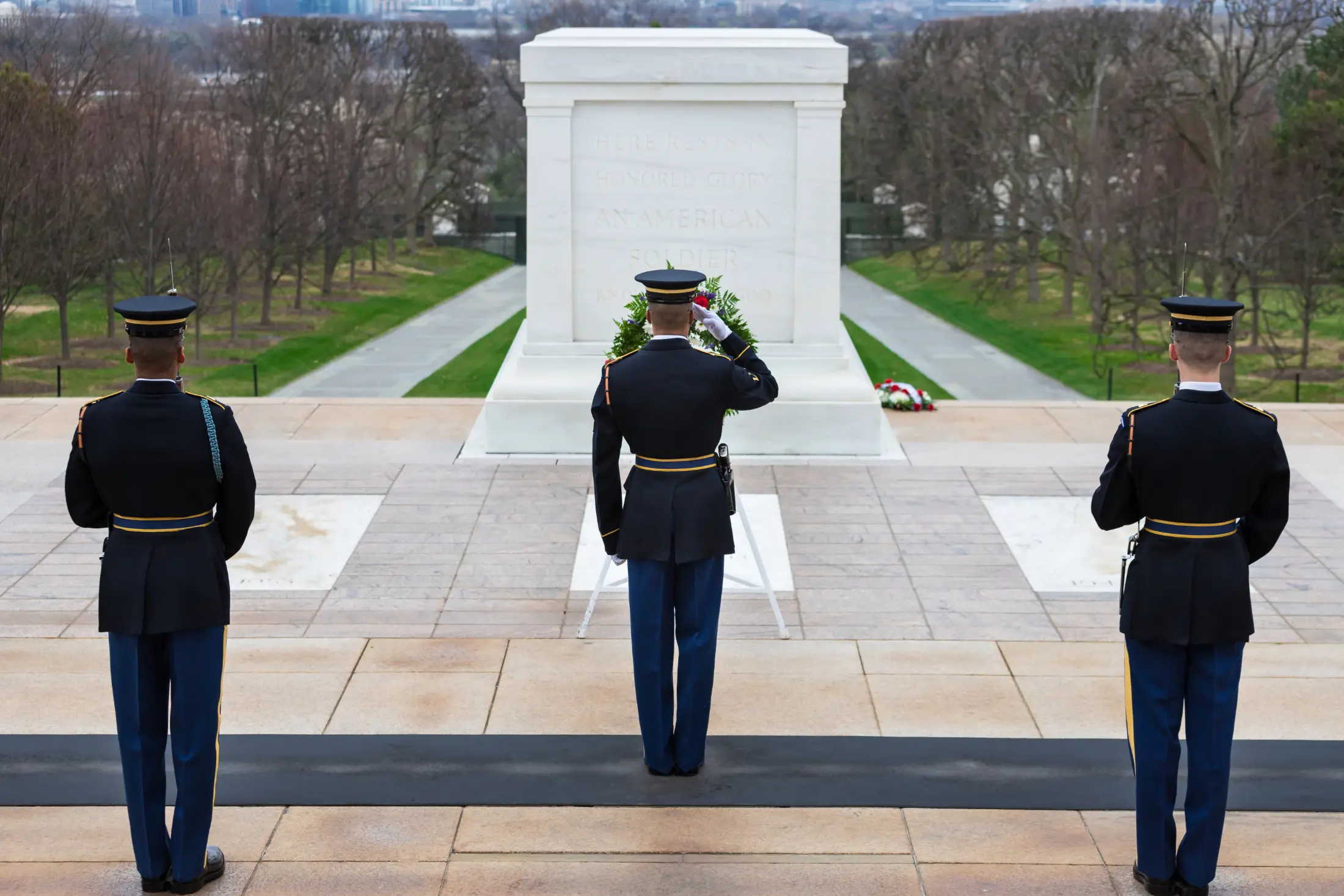

Some towns carry military history in a way that does not always announce itself.
In Horsham and Willow Grove, it is in the road names, the old flightline memories, the stories told by neighbors, and the folded flags kept in cabinets after a funeral. It is in families who remember the sound of aircraft overhead. It is in veterans who served from the base, civilians who worked there, and children who grew up knowing someone in uniform.
For nearly a century, the land around Willow Grove and Horsham has shaped local life.
It began with aviation. It became a naval air station. It became a joint reserve base. Today, the military presence continues through Biddle Air National Guard Base in Horsham.
That long thread explains why so many families in this area know what a DD-214 is. It explains why military honors matter. It explains why a folded flag is not only a symbol, but a family memory.
Before the Base, There Was an Airstrip
The story begins in 1926, when aviation pioneer Harold F. Pitcairn bought farmland on the west side of Doylestown Pike, now Route 611. He built a hangar and a grass airstrip.
At that time, flight still felt new to many Americans. Airplanes were not yet ordinary. Airports were not part of every region. To build an airfield here was to place Horsham and Willow Grove inside the early story of American aviation.
Pitcairn used the airfield for air shows, aircraft design, testing, and flight operations. His work included the Mailwing, an aircraft used by the United States Postal Service to carry overnight mail between New York and Atlanta. The history of NAS JRB Willow Grove from the Horsham Land Redevelopment Authority traces this early period and follows the site through its later military chapters.
That first grass strip did not look like the military base many people later knew. But it gave the land its direction. The place became associated with flight, service, movement, and skill.
The Navy Arrives
In 1942, Pitcairn sold the airfield to the United States Navy.
The country was at war. The need for training, aircraft support, and military readiness had changed the purpose of the land. Two hundred fifty naval personnel from Mustin Field at the Philadelphia Naval Shipyard took possession of the field that year.
In January 1943, the site was officially commissioned as Naval Air Station Willow Grove.
That change brought the base into the daily life of the region. The air station became more than a place on a map. It became a workplace, a training site, a source of local pride, and a place where military families built ordinary lives around demanding service.
After World War II, NAS Willow Grove became a Naval Air Reserve Training Station. During the Korean War, training and operational support increased. In 1957, the Department of Defense bought additional land, bringing the air station to about 1,100 acres.
The base grew with the country’s military needs. The surrounding towns grew with it.
How a Base Shapes a Town
A military base changes a town in quiet ways.
It brings service members and their families. It brings civilian workers. It brings contractors, mechanics, support staff, and generations of people whose work connects to the mission. It fills restaurants at lunch, local stores on weekends, churches on Sundays, and school rosters over time.
It also creates a shared local language.
People know acronyms. They know the difference between active duty, reserve service, Guard service, and civilian base work. They know what it means when someone deploys. They know why a family may be proud and worried at the same time.
For Horsham and Willow Grove, the base became part of local identity. Even people who never worked there felt its presence. They heard aircraft. They saw uniforms. They knew neighbors who served.
That presence shaped how families understood duty.
The Joint Reserve Base Years
In 1994, the air station’s name changed to Naval Air Station Joint Reserve Base Willow Grove.
The new name reflected the site’s broader military role. It brought together Navy, Marine Corps, Air Force Reserve, Army Reserve, Pennsylvania Air National Guard, and Pennsylvania Army National Guard activity.
For local families, this meant the base was not tied to only one branch. It touched many kinds of service. A household might have one person in the Air National Guard, another in the Army Reserve, and a neighbor connected to the Navy or Marine Corps. Civilian jobs supported all of it.
This is one reason the military history here feels layered.
It is not only one branch’s story. It is a regional story of reserve service, aviation, readiness, and community ties.
The Closure That Did Not End the Story
NAS JRB Willow Grove appeared on the 2005 Base Realignment and Closure list.
That decision began a long transition. Navy and Marine Corps squadrons and units moved to McGuire Air Force Base in 2011. A base disestablishment ceremony was held on March 30, 2011. NAS JRB Willow Grove officially closed on September 15, 2011.
For people who worked there or grew up around it, closure was not abstract. It meant change. It meant goodbye to familiar aircraft, routines, jobs, and a military presence that had framed local life for decades.
Still, the military story did not end.
The Pennsylvania Air National Guard remained. Army Reserve and Pennsylvania Army National Guard units remained on nearby military property. The site entered a new chapter.
Today, that chapter continues through Biddle Air National Guard Base.
Today’s Biddle Air National Guard Base
Biddle Air National Guard Base sits in Horsham and remains an active military installation.
The 111th Attack Wing of the Pennsylvania Air National Guard is based there. The wing serves as a control center for MQ-9 remotely piloted aircraft and provides engineering and electronics capabilities through specialized units. The base also hosts tenant organizations, including Pennsylvania Army National Guard and U.S. Army Reserve units.
The current overview of Biddle Air National Guard Base reflects the site’s modern identity and notes the transition from Horsham Air Guard Station to Biddle Air National Guard Base.
The name Biddle carries its own aviation meaning. It honors Charles Biddle, tied to the early history of Pennsylvania air service and the 103rd Observation Squadron.
The base is smaller than the old joint reserve base footprint, but its presence still matters. It keeps military service part of local life in Horsham, Willow Grove, Hatboro, and nearby Montgomery County communities.
Why So Many Families Have a Folded Flag
In this area, a folded flag is common enough to feel familiar, but never ordinary.
It may sit in a triangular case on a mantel. It may rest in a cabinet with medals, ribbons, discharge papers, photos, and a prayer card. It may be stored beside a uniform, dog tags, or an old base pass. It may belong to a father, mother, spouse, grandparent, sibling, or child.
That flag carries service.
It carries a family’s pride. It carries deployments, training, long shifts, missed dinners, and years of duty that younger generations may only partly understand. It carries the day of the funeral too, when the flag was folded and presented with care.
In communities shaped by NAS Willow Grove, the joint reserve base, and Biddle Air National Guard Base, many families have someone who served. Some served full careers. Some served in the Guard or Reserve. Some worked as civilians in support roles. Some were spouses and children who carried the home side of military life.
That is why the flag feels local here.
The Paperwork Behind the Honor
Military honors depend on records.
Families often need the DD-214 or other military service documentation to confirm eligibility for honors, burial benefits, markers, or other veteran related support. Those papers are easy to misplace over the years.
A veteran may have kept them in a desk, lockbox, file cabinet, old suitcase, or envelope with tax records. Family members may know someone served, but not know where the documents are.
That is why planning ahead matters.
Plunkett McFillin’s pre-planning checklist for service and military details encourages families to gather records such as military branch, rank, dates of service, discharge information, conflicts served, and service number.
This is not only paperwork. It helps make sure a veteran’s service is recognized with accuracy and respect.
Military Service Is Family Service Too
A base shapes more than those who wear the uniform.
It shapes spouses who manage homes during training or deployment. It shapes children who learn early that a parent’s work may involve long absences. It shapes parents who wait for phone calls. It shapes friends who check in when a family needs help.
Reserve and Guard families understand this in a specific way. Service can sit beside civilian life. Someone may work a local job, coach a team, attend church, raise children, and still carry military obligations that others do not see.
That is part of the Horsham and Willow Grove story.
The base did not exist apart from the town. It lived through people. It moved through school events, family kitchens, work schedules, church pews, neighborhood gatherings, and funerals.
When a veteran dies, the family grieves the person, not only the service. But the service is part of the person’s life. It deserves to be named correctly.
Funerals and the Language of Service
Military funeral honors have a language of their own.
There may be a flag. There may be taps. There may be uniformed personnel. There may be a prayer, a salute, a graveside committal, or a quiet moment that says what words cannot.
For families connected to the base, these details often feel important because they match the life lived.
A veteran’s funeral is not meant to turn the whole service into a military ceremony unless the family wants that. It is meant to honor the part of the person’s life shaped by service.
Some families want full military honors. Some want a small acknowledgement. Some want the DD-214 included so benefits and recognition are handled properly, but they prefer a private service. All of those choices deserve care.
The right service should reflect the whole person.
What Families Should Bring to the Arrangement Meeting
When a loved one served in the military, bring any service records you have to the arrangement meeting.
That may include the DD-214, discharge papers, rank, branch, dates of service, medals, veteran organization membership, cemetery information, VA records, or notes about military honors. If the veteran had a uniform, photos, folded flag, or service keepsakes, those may also help shape the tribute.
The arrangement meeting is where practical details and personal memories come together. Families may need help with death certificate information, obituary details, transportation, service scheduling, clergy, cemetery coordination, pallbearers, clothing, flowers, and military recognition.
For families who want to understand the first planning conversation, what to expect when meeting with the funeral home explains the details reviewed during an arrangement meeting.
Knowing what to bring helps the family feel less rushed.
From Airstrip to Memory
The land began as a place for early flight.
Then it became a naval air station. Then a joint reserve base. Then a modern Air National Guard base. Across those changes, one thing stayed clear: service has been part of this area for generations.
That service did not stay behind a fence.
It entered homes. It entered family stories. It entered local schools, businesses, churches, civic groups, and funeral services. It shaped how people understood duty, sacrifice, and community.
When a family in Hatboro, Horsham, or Willow Grove opens a cabinet and sees a folded flag, they are not only seeing national tradition. They are seeing local history. They are seeing the long line between the base and the family.
That line may run through a pilot, mechanic, nurse, reservist, Guardsman, civilian employee, spouse, or child. Every story is different. The shared thread is service.
The Museum Piece and the Living Base
Some local military history now belongs to memory and preservation.
People remember NAS Willow Grove. They remember the aircraft. They remember air shows. They remember the base as it was.
But Biddle Air National Guard Base is not only memory. It remains active. The 111th Attack Wing still serves from Horsham. Military work continues, though the mission looks different than it did in earlier decades.
That mix of past and present is important.
Some families are grieving veterans from earlier wars and older periods of service. Others are connected to current Guard and Reserve families. Some carry both histories at once.
A community with this much service history needs funeral care that understands military records, honors, family stories, and the emotional weight of the flag.
Why Local History Belongs in Family Remembrance
A person’s story does not happen in isolation.
It happens in places. Streets. Bases. Churches. Homes. Workplaces. Schools. Cemeteries. Funeral homes. The places matter because they hold part of the life.
For many local veterans and military families, the base was one of those places.
It may have been where they worked. Where they trained. Where they reported. Where they met friends. Where they watched aircraft. Where they learned discipline. Where they understood what service meant.
When families plan a funeral, those details can help shape a meaningful service. A photo near the base. A uniform piece. A story about work there. A folded flag. A song. A veteran organization. A mention in the obituary. These small things help people see the person more fully.
The goal is not to make every veteran’s service sound the same. The goal is to honor the specific life in front of the family.
A Town Shaped by Service
Horsham and Willow Grove did not become military towns in the formal sense. They became local communities with a deep military thread running through them.
That thread began with a grass airstrip and grew into a major aviation and reserve presence. It changed names. It changed missions. It changed size. It moved from Pitcairn’s early aviation field to Naval Air Station Willow Grove, to Naval Air Station Joint Reserve Base Willow Grove, to today’s Biddle Air National Guard Base.
Families changed too.
Generations served, worked, waited, welcomed people home, and said goodbye. Some families still have photos from the old base. Some have uniforms. Some have medals. Some have nothing more than stories. Some have the folded flag.
Those items matter because they keep service visible after the person is gone.
Keeping the Story With the Family
If your family has military history, write it down.
Do not assume someone else knows the dates. Do not assume the DD-214 is easy to find. Do not assume younger relatives know what the folded flag means. Tell them.
Write the branch. Write the years. Write where they served. Write what they did at Willow Grove, Horsham, or another base. Save the photos. Keep the records in one place. Tell one trusted person where that folder is.
These steps help when the time comes to plan a service. They also help the next generation understand the person behind the uniform.
A folded flag should not be only something in a cabinet. It should be attached to a story.
Who served? Where did they serve? What did it cost them? What did it mean to the family?
Those answers are worth keeping.
The Base and the Goodbye
When a local veteran dies, the base history may not be the main story.
The main story is the person.
The parent who packed lunches. The spouse who kept promises. The grandparent who told the same stories. The neighbor who waved from the driveway. The friend who showed up. The person who served and then came home to build a life here.
Still, military service belongs in that story when it shaped the life.
In this region, it often did.
That is why Horsham, Willow Grove, Hatboro, and nearby communities have so many families with flags, records, medals, and memories tied to service. The base shaped the town. The town shaped the families. The families carry the stories forward.
The team at Plunkett McFillin Funeral Home is here for your whole family and includes its youngest members. Call us at (215) 672-6262.